What Regenerative Farming Really Means
Healthy soil, healthy food. Robert Hayes explains how Green Valley Farm stopped ploughing and started building its soil back up.
 By Robert HayesGreen Valley Farm · Eugene, Oregon
· 2 min read
“Regenerative” gets printed on a lot of packaging these days, so it's fair to ask what it actually means. On our farm it comes down to one idea: leave the soil in better shape every year than it was the year before. Healthy soil grows stronger plants, holds more water and needs far less help from outside.
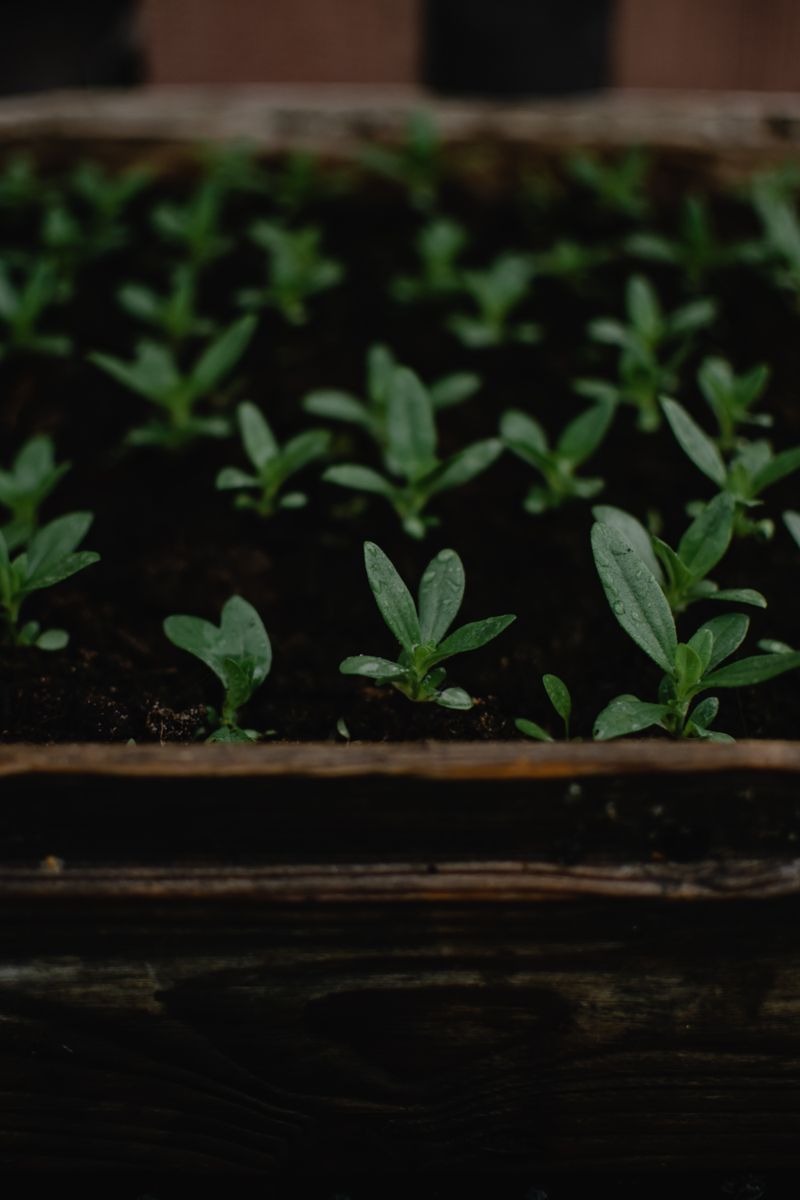
The biggest change we made was to stop ploughing. Turning the soil over breaks up the web of fungi and worm channels that plants rely on, and it lets carbon escape into the air. Now we plant straight into permanent beds and cover them with compost and mulch instead. It took a couple of seasons for the soil to settle, but these days it crumbles in your hand and smells sweet.
We also try never to leave ground bare. As soon as a crop comes out, a cover crop of rye, clover or vetch goes in. The roots hold the soil together through the winter rains, the clover puts nitrogen back into the ground, and in spring we cut it down and leave it on top as mulch for the next planting.
Variety matters as well. Growing more than forty kinds of heirloom vegetables, and moving them around the farm each year, means pests and diseases never get the chance to build up the way they would in a field of one crop. The hedgerows and flower strips along our field edges bring in the ladybugs and tiny wasps that do a lot of our pest control for free.
None of this is new. My grandfather farmed in many of the same ways before chemicals made it easy to skip them. The difference now is that we can measure it: our soil tests show more organic matter every year, and our fields need noticeably less water in August than they did a decade ago. When you buy from a regenerative farm, that's what you're supporting.