A Beginner's Guide to Sourdough
Daniel from Hearth & Stone Bakery shares the starter method he teaches every new baker, plus a first loaf you can bake at home.

Every new baker at Hearth & Stone starts the same way: by keeping a starter alive for a week before they're allowed near the oven. A starter is just flour and water that wild yeast and bacteria have moved into. Once it's lively, it's all you need to make bread rise, and it's much easier to look after than most people think.
To make one, stir 50 g of whole wheat or rye flour with 50 g of lukewarm water in a clean jar, cover it loosely and leave it somewhere warm. Every 24 hours, throw away all but about 50 g, then feed it another 50 g of flour and 50 g of water. After five to seven days it should double in size within a few hours of a feed and smell pleasantly sour, a bit like yoghurt. That's when it's ready to bake with.
For your first loaf, mix 100 g of active starter with 350 g of water, then add 500 g of bread flour and 10 g of salt. Leave it for half an hour, then do a set of stretch and folds every 30 minutes for the next two hours: grab one side of the dough, stretch it up, fold it over, turn the bowl and repeat four times. After that, let it rise until it has grown by about half, which can take anywhere from three to eight hours depending on how warm your kitchen is.
Shape the dough into a tight ball, put it seam side up in a floured bowl and leave it in the fridge overnight. The cold slows everything down and gives the bread a deeper flavour. In the morning, heat the oven to 250°C (480°F) with a lidded cast-iron pot inside, tip the dough in, slash the top with a sharp knife and bake for 20 minutes with the lid on, then another 20 to 25 minutes with it off until the crust is a deep brown.
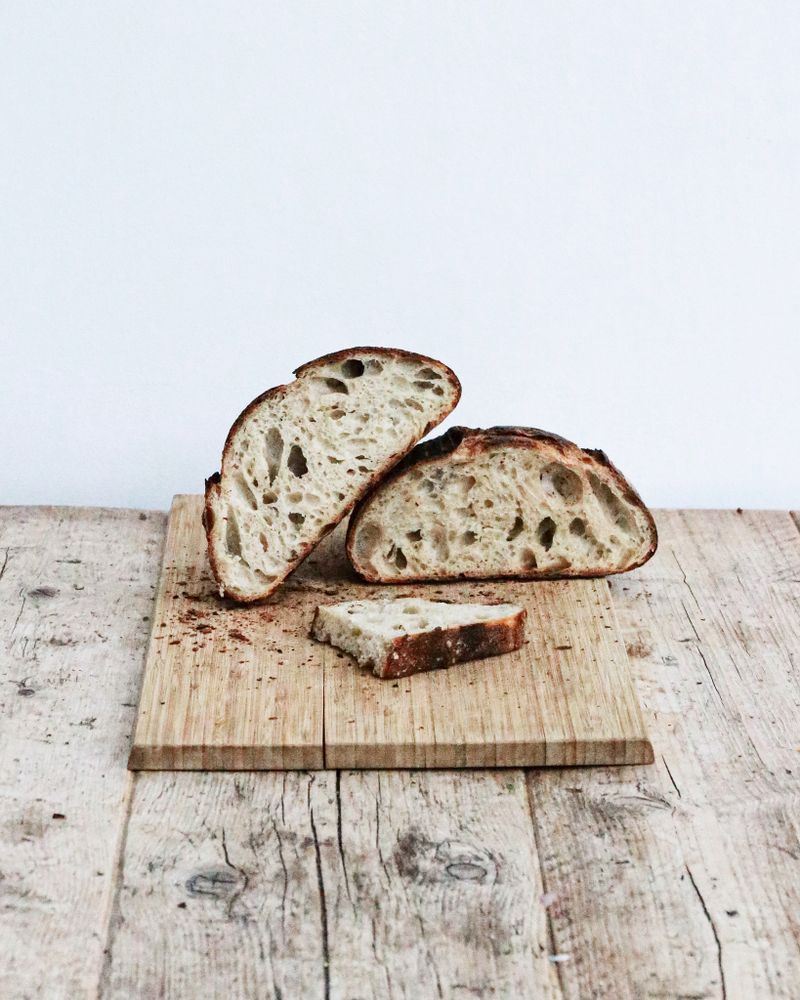
Your first loaf probably won't be perfect, and that's fine. A flat loaf usually means the starter wasn't quite strong enough or the dough rose for too long. Write down your times and temperatures, change one thing at a time, and by the third or fourth bake you'll start to understand what your dough is telling you. Then wait at least an hour before cutting it. That's honestly the hardest part.