Why Seasonal Eating Tastes Better
Produce picked in season is sweeter, cheaper and often more nutritious. Here's why, and how to eat that way without a chart on the fridge.
· 2 min read
The first thing I noticed when I started buying straight from farms was how different a tomato tastes in August compared with one bought in February. It isn't nostalgia. Fruit and vegetables grown in their natural season get the sun, warmth and time they need to build up sugar and flavour before they're picked.
Out-of-season produce usually has to travel a long way, so it's picked early and left to ripen in a truck or a warehouse. A peach picked hard will soften, but it won't get any sweeter. The farms on Farmora can pick much closer to ripeness because every order reaches the customer within three days, which just isn't possible with fruit that has to cross an ocean first.
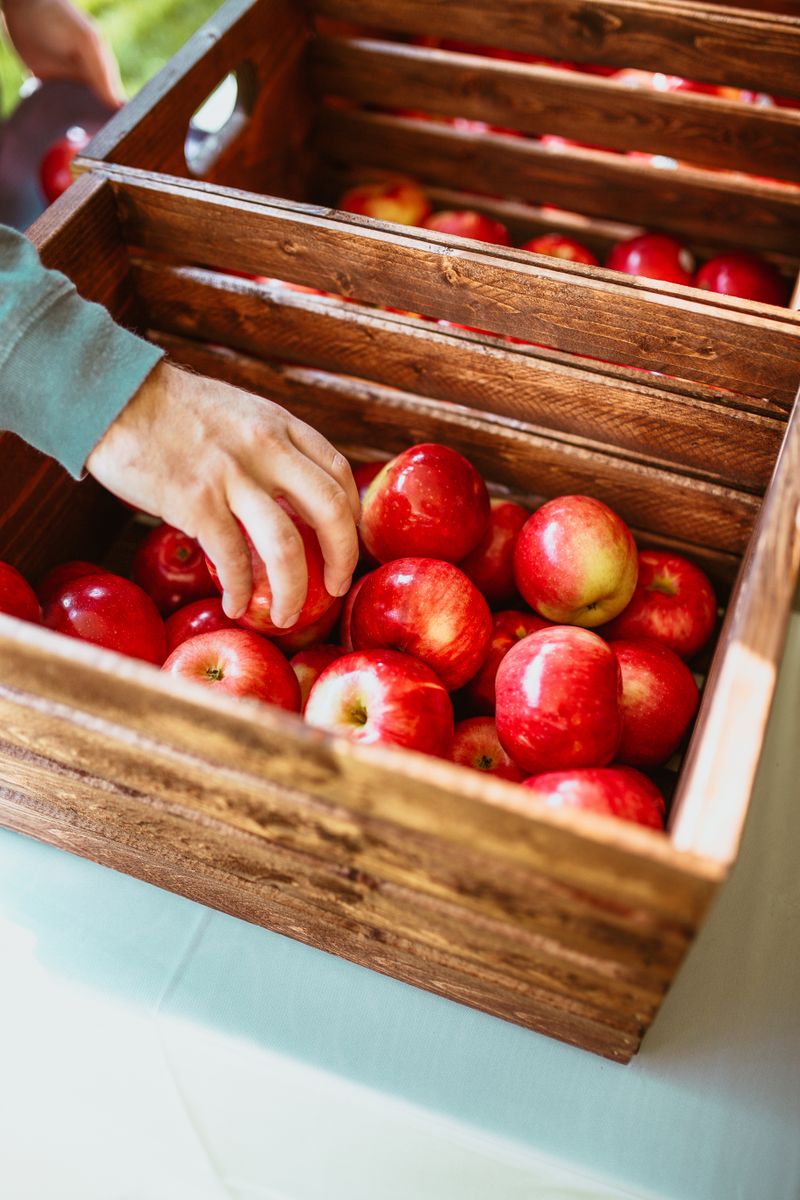
There's a nutrition side to it too. Some vitamins, vitamin C in particular, start to break down as soon as produce is harvested, so the shorter the trip from field to kitchen, the more of them are left when you eat it. Seasonal food also tends to be cheaper, simply because there's more of it. When the orchards are full in September, apples cost less than they do in spring.
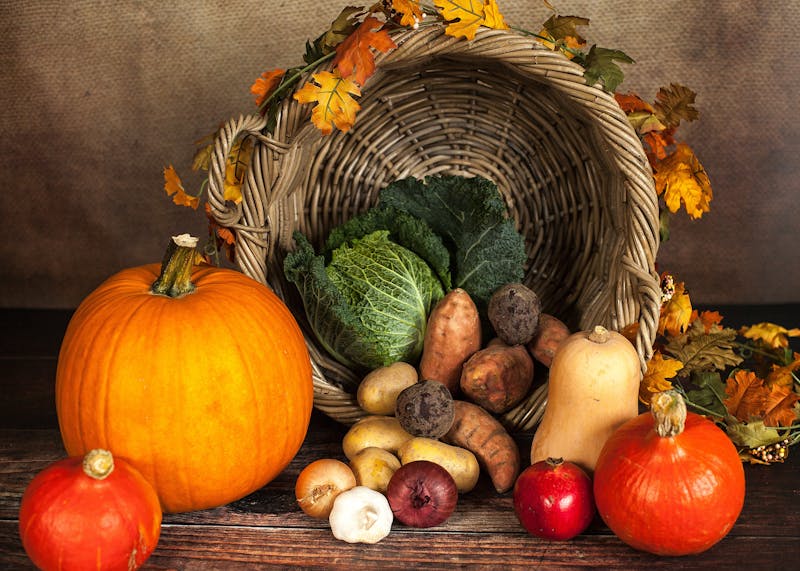
You don't need a chart to eat seasonally. Look at what's plentiful and what's on offer, and ask the people who grow it. Right now, in early autumn, that means apples, pears, squash, potatoes, hearty greens and the last of the peppers and tomatoes. Spring brings asparagus, peas and strawberries, and summer is all about berries, stone fruit and sweetcorn.
The part I like most is that it gives the year a rhythm. You look forward to the first strawberries, eat as many as you can while they last, and then move on to whatever comes next. It's one of the easiest ways to eat better without really trying.